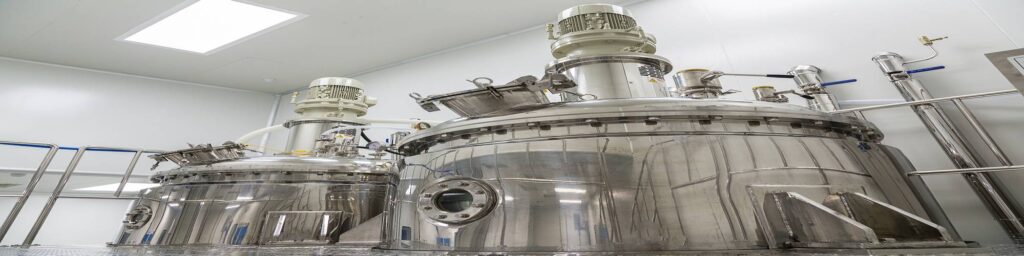
Pressure Vessel Testing
Pressure Vessel Testing Services at Holdens Engineering
Holdens Engineering offers a complete pressure vessel testing service to ensure that all fabricated and installed vessels meet the necessary performance, safety, and compliance standards. Testing is a critical phase in the life cycle of a pressure vessel, confirming that the unit has been manufactured correctly, is structurally sound, and is safe for operational use. Holdens provides this service both in-house during fabrication and on-site as part of commissioning or routine compliance.
A Critical Stage in Pressure Equipment Assurance
The nature of pressure vessel operation demands rigorous validation before any unit is brought online. Whether the vessel is intended for steam, gas, or liquid service, it must be tested under defined conditions that reflect the actual or worst-case pressures it may experience. Holdens Engineering has developed a methodical approach to pressure testing, aligned with UK legislation and international design codes, to verify that each vessel will perform safely and reliably over its intended service life. All pressure testing services are carried out in accordance with relevant standards, including PD5500, ASME Section VIII Division 1, EN 13445, and the Pressure Equipment (Safety) Regulations 2016. Testing may also be overseen by an independent inspection body depending on the classification and intended use of the vessel.
Hydrostatic Pressure Testing
Hydrostatic testing remains the most common and reliable method used to verify the structural integrity of pressure vessels. Holdens Engineering conducts hydrostatic tests by filling the vessel with water and pressurising it to a specified test pressure—typically 1.3 to 1.5 times the vessel’s design pressure.
This method allows any material weaknesses, weld defects, or manufacturing inconsistencies to be identified without exposing personnel to the risk associated with pressurised gas. During the test, the vessel is visually inspected for leaks, deformation, and other signs of mechanical failure. Pressure hold durations are in line with the relevant code requirements, and test equipment is calibrated to ensure accurate results.
Hydrotesting can be carried out either at Holdens’ manufacturing facility prior to delivery or at the client’s site as part of commissioning or post-installation validation. The site-based approach is often used where vessels are too large to test fully assembled prior to transport or where new pipework interfaces require pressure testing of the complete system.
Pneumatic Testing
In certain cases, where hydrostatic testing is impractical or where water introduction must be avoided—such as vessels used in cryogenic or contamination-sensitive applications—Holdens offers pneumatic testing. This involves pressurising the vessel using air or an inert gas (such as nitrogen), and it is conducted under strict control conditions due to the higher risk associated with gas compression. To manage these risks, pneumatic tests are performed with a lower pressure increment approach, extended safety zones, and specialised leak detection methods. Holdens ensures that all team members involved in pneumatic testing are trained in pressure safety protocols and emergency response procedures.
Leak Testing and Tightness Verification
Holdens Engineering also carries out leak testing using various methods depending on the vessel type and client requirements. These may include bubble leak testing (using soapy water), electronic gas sniffers, or pressure decay methods. Leak testing may be conducted independently or in conjunction with hydro or pneumatic testing as part of a broader test plan. For vessels with critical sealing surfaces or intricate joint arrangements, Holdens provides more advanced tightness verification techniques to meet industry specifications or insurance criteria. This can be particularly important in systems containing flammable, toxic, or environmentally hazardous contents.
Post-Test Evaluation and Documentation
After the pressure test is completed, Holdens Engineering conducts a full evaluation of the vessel. This includes recording pressure hold times, visual checks, dimensional verification (if applicable), and a formal review of any test anomalies or required remedial actions. All testing is documented comprehensively, with pressure charts, inspection sign-offs, and equipment calibration certificates included in the final documentation pack. These records are formatted to support the client’s internal QA systems, third-party inspections, and legal compliance under UK and European pressure equipment legislation.
Where vessels are CE or UKCA marked, Holdens ensures that testing documentation is submitted to the appropriate notified or approved body as part of the conformity assessment process.
Testing for Repairs, Modifications and Life Extension
In addition to new-build pressure testing, Holdens also offers testing for repaired or modified vessels. When a vessel has undergone weld repairs, nozzle replacements, or pressure rating changes, it may need to be re-tested to verify ongoing suitability for service. Holdens supports these projects with tailored test plans that reflect the updated design parameters.
For clients managing older assets, Holdens can also assist in life extension programmes through periodic testing combined with inspection data and material analysis. These services help determine whether a vessel can continue in service or requires derating, refurbishment, or replacement.