
Pressure Vessel Inspections
Pressure Vessel Inspection Services at Holdens Engineering
Holdens Engineering offers a complete pressure vessel inspection service to support safe operation, regulatory compliance, and long-term performance. With in-house engineering expertise and access to advanced testing technologies, Holdens delivers thorough inspections for newly manufactured vessels, in-service units, and ageing assets across sectors such as energy, petrochemicals, water treatment, and process manufacturing.
Commitment to Safety and Compliance
Pressure vessels are subject to high internal pressures and operating stresses, which means failure can result in serious safety risks, environmental damage, and operational downtime. To mitigate these risks, Holdens Engineering carries out structured inspection programmes aligned with the Pressure Systems Safety Regulations 2000 (PSSR), Pressure Equipment (Safety) Regulations 2016, and applicable industry codes such as ASME VIII, PD5500, and EN 13445. Whether part of a statutory inspection schedule or a client-led risk-based maintenance strategy, Holdens provides detailed assessments that verify the structural integrity, weld condition, and performance of pressure vessels in service.
Pre-Operational and Factory Inspections
For newly fabricated vessels—whether manufactured by Holdens or supplied by third parties—the company performs pre-operational inspections as part of Factory Acceptance Testing (FAT). These inspections ensure that all components conform to design specifications, code requirements, and safety criteria prior to commissioning. This stage includes dimensional checks, weld quality assessments, nozzle verification, material traceability confirmation, and hydrostatic pressure testing. Holdens can also arrange for inspection body witnessing where CE or UKCA marking is required under the applicable pressure equipment legislation.
In-Service Pressure Vessel Inspection and Condition Monitoring
Holdens Engineering also provides periodic in-service inspections for vessels in operation, helping plant owners comply with the PSSR and maintain asset reliability. These inspections form part of a Written Scheme of Examination (WSE) and are scheduled based on the vessel’s risk profile, duty cycle, and operating conditions. Inspection procedures typically begin with a visual assessment to identify surface corrosion, coating failure, leakage, or signs of mechanical damage. This is followed by internal inspection where safe and practical, with manway access used to examine the vessel’s internal surface, welds, baffles, and nozzles.
To support condition monitoring and life extension assessments, Holdens uses a range of non-destructive testing (NDT) methods, including:
- Ultrasonic thickness measurement to detect corrosion or erosion
- Magnetic particle inspection (MPI) to locate surface cracks in ferromagnetic materials
- Dye penetrant testing (DPI) for fine surface flaws in non-ferrous metals
- Radiographic testing (RT) and ultrasonic flaw detection (UT) for weld integrity analysis
These inspections are performed by qualified technicians certified to PCN or ASNT standards and are supported by calibrated equipment and traceable procedures.
Bespoke Pressure Vessel Inspection Schedules
Holdens works with clients to develop bespoke inspection schedules that align with site access constraints, production downtime, and industry-specific requirements. For facilities operating under COMAH (Control of Major Accident Hazards) regulations, Holdens supports risk-based inspection (RBI) strategies by providing data that informs inspection intervals and prioritisation. Where full vessel entry is not possible, Holdens can offer remote visual inspection (RVI) using borescopes or camera systems, supported by condition monitoring data from previous cycles. This approach helps reduce downtime while still maintaining inspection standards.
Remedial Work and Engineering Advice
If defects or deterioration are identified during an inspection, Holdens provides engineering support to assess severity and recommend appropriate remedial action. This could involve weld repair, surface treatment, section replacement, or complete re-certification depending on the nature and extent of the issue. All repair work is carried out in accordance with applicable pressure vessel codes and may be subject to third-party inspection depending on regulatory category. Holdens’ in-house engineering team can also provide re-rating calculations, updated stress analysis, and amended design documentation where operating parameters are being changed.
Pressure vessel Inspection Records and Reporting
A full inspection report is issued upon completion of each assessment. This report includes:
- Pressure Vessel identification and location details
- Inspection method and scope
- Observations and measured values
- Photographic evidence (where applicable)
- NDT results and wall thickness records
- Recommendations for further action
- Next due inspection date
These records support statutory compliance, asset management strategies, and insurance requirements. Holdens also maintains digital records for long-term reference and trend monitoring.
Supporting Long-Term Asset Integrity
Holdens Engineering understands the role that effective inspection plays in maintaining the integrity and safety of pressure systems over time. By combining hands-on inspection services with engineering analysis, Holdens helps clients make informed decisions about asset operation, maintenance planning, and capital investment. From single-vessel inspections to fleet-wide condition monitoring programmes, Holdens brings the same attention to detail, technical knowledge, and commitment to safety that underpins its wider engineering services. The company continues to support both legacy systems and new builds with reliable, code-compliant inspection solutions designed for demanding industrial environments.
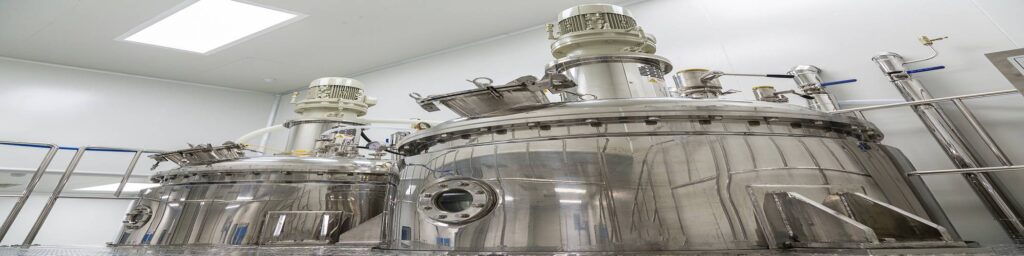
Pressure Vessel Inspections
Pressure Vessel Inspection Services at Holdens Engineering
Holdens Engineering offers a complete pressure vessel inspection service to support safe operation, regulatory compliance, and long-term performance. With in-house engineering expertise and access to advanced testing technologies, Holdens delivers thorough inspections for newly manufactured vessels, in-service units, and ageing assets across sectors such as energy, petrochemicals, water treatment, and process manufacturing.
Commitment to Safety and Compliance
Pressure vessels are subject to high internal pressures and operating stresses, which means failure can result in serious safety risks, environmental damage, and operational downtime. To mitigate these risks, Holdens Engineering carries out structured inspection programmes aligned with the Pressure Systems Safety Regulations 2000 (PSSR), Pressure Equipment (Safety) Regulations 2016, and applicable industry codes such as ASME VIII, PD5500, and EN 13445. Whether part of a statutory inspection schedule or a client-led risk-based maintenance strategy, Holdens provides detailed assessments that verify the structural integrity, weld condition, and performance of pressure vessels in service.
Pre-Operational and Factory Inspections
For newly fabricated vessels—whether manufactured by Holdens or supplied by third parties—the company performs pre-operational inspections as part of Factory Acceptance Testing (FAT). These inspections ensure that all components conform to design specifications, code requirements, and safety criteria prior to commissioning. This stage includes dimensional checks, weld quality assessments, nozzle verification, material traceability confirmation, and hydrostatic pressure testing. Holdens can also arrange for inspection body witnessing where CE or UKCA marking is required under the applicable pressure equipment legislation.
In-Service Pressure Vessel Inspection and Condition Monitoring
Holdens Engineering also provides periodic in-service inspections for vessels in operation, helping plant owners comply with the PSSR and maintain asset reliability. These inspections form part of a Written Scheme of Examination (WSE) and are scheduled based on the vessel’s risk profile, duty cycle, and operating conditions. Inspection procedures typically begin with a visual assessment to identify surface corrosion, coating failure, leakage, or signs of mechanical damage. This is followed by internal inspection where safe and practical, with manway access used to examine the vessel’s internal surface, welds, baffles, and nozzles.
To support condition monitoring and life extension assessments, Holdens uses a range of non-destructive testing (NDT) methods, including:
- Ultrasonic thickness measurement to detect corrosion or erosion
- Magnetic particle inspection (MPI) to locate surface cracks in ferromagnetic materials
- Dye penetrant testing (DPI) for fine surface flaws in non-ferrous metals
- Radiographic testing (RT) and ultrasonic flaw detection (UT) for weld integrity analysis
These inspections are performed by qualified technicians certified to PCN or ASNT standards and are supported by calibrated equipment and traceable procedures.
Bespoke Pressure Vessel Inspection Schedules
Holdens works with clients to develop bespoke inspection schedules that align with site access constraints, production downtime, and industry-specific requirements. For facilities operating under COMAH (Control of Major Accident Hazards) regulations, Holdens supports risk-based inspection (RBI) strategies by providing data that informs inspection intervals and prioritisation. Where full vessel entry is not possible, Holdens can offer remote visual inspection (RVI) using borescopes or camera systems, supported by condition monitoring data from previous cycles. This approach helps reduce downtime while still maintaining inspection standards.
Remedial Work and Engineering Advice
If defects or deterioration are identified during an inspection, Holdens provides engineering support to assess severity and recommend appropriate remedial action. This could involve weld repair, surface treatment, section replacement, or complete re-certification depending on the nature and extent of the issue. All repair work is carried out in accordance with applicable pressure vessel codes and may be subject to third-party inspection depending on regulatory category. Holdens’ in-house engineering team can also provide re-rating calculations, updated stress analysis, and amended design documentation where operating parameters are being changed.
Pressure vessel Inspection Records and Reporting
A full inspection report is issued upon completion of each assessment. This report includes:
- Pressure Vessel identification and location details
- Inspection method and scope
- Observations and measured values
- Photographic evidence (where applicable)
- NDT results and wall thickness records
- Recommendations for further action
- Next due inspection date
These records support statutory compliance, asset management strategies, and insurance requirements. Holdens also maintains digital records for long-term reference and trend monitoring.
Supporting Long-Term Asset Integrity
Holdens Engineering understands the role that effective inspection plays in maintaining the integrity and safety of pressure systems over time. By combining hands-on inspection services with engineering analysis, Holdens helps clients make informed decisions about asset operation, maintenance planning, and capital investment. From single-vessel inspections to fleet-wide condition monitoring programmes, Holdens brings the same attention to detail, technical knowledge, and commitment to safety that underpins its wider engineering services. The company continues to support both legacy systems and new builds with reliable, code-compliant inspection solutions designed for demanding industrial environments.