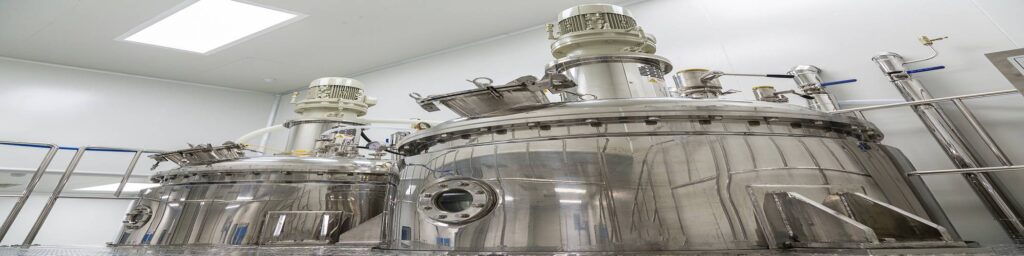
Pressure Vessel Installation
Pressure Vessel Installation Services by Holdens Engineering
Holdens Engineering is a trusted provider of pressure vessel solutions, offering end-to-end services from design and fabrication through to full installation and commissioning. With decades of industry experience, Holdens has developed a robust and compliant approach to pressure vessel installation, ensuring that each project meets both operational requirements and regulatory standards.
Engineering-Led Installation Planning
Every installation project begins with detailed planning led by experienced mechanical and project engineers. This stage involves close collaboration with the client to define the vessel’s intended purpose, connection points, and site conditions. Holdens carries out structural assessments to ensure that the foundation and support systems are suitable for the load and operational pressures of the vessel. Where required, site surveys are conducted to map access routes, lifting zones, and spatial constraints. These surveys allow for the development of detailed method statements and risk assessments in line with CDM Regulations and industry best practices. The planning stage also includes interface checks with existing pipework, control systems, and safety infrastructure to reduce the risk of conflicts during installation.
Delivery and Positioning
Holdens takes full responsibility for the logistics of vessel delivery. This includes arranging suitable transportation and any required police escorts or abnormal load permits. Vessels are typically transported from Holdens’ fabrication site to the client’s premises via specialist haulage firms experienced in handling heavy and oversized plant.
Once on site, Holdens manages the offloading and positioning process using cranes, skates, or gantries as appropriate. Rigging operations are carried out by qualified personnel following a lift plan approved by a competent person. The vessel is set into its final location, which may involve bolting to reinforced plinths, welding to support frames, or locating within existing bunds or plant layouts.
Mechanical Integration
After setting the vessel in position, Holdens undertakes the mechanical integration with associated systems. This includes aligning and connecting inlet and outlet pipework, support brackets, insulation, and mounting points for control instruments. Special care is taken to ensure that all pipe joints are aligned and stress-free to prevent long-term fatigue or premature failure. Welding operations, if required, are carried out by coded welders qualified to BS EN ISO 9606 or ASME IX standards, depending on the design code applied to the vessel. All welds are inspected via visual, radiographic or ultrasonic testing as required by the client specification or third-party inspection plan.
For vessels operating under high pressure or elevated temperatures, Holdens ensures that all expansion and contraction allowances are accommodated through the use of flexible joints or compensators.
Instrumentation and Controls
In many cases, pressure vessels are supplied with associated control systems, gauges, transmitters, and safety relief valves. Holdens handles the installation and calibration of this instrumentation, working in accordance with the original P&ID (Piping and Instrumentation Diagram) provided by the client or internal design team. All control equipment is installed in accordance with the relevant standards, including ATEX requirements where vessels are located in potentially explosive environments. Holdens also ensures compatibility with the site’s existing control systems, supporting both hard-wired and SCADA-based interfaces.
Pressure Testing and Commissioning
Before handover, all vessels undergo thorough testing. This usually includes hydrostatic pressure testing in line with design standards such as PD5500, ASME VIII, or EN 13445. Where vessels have already been tested off-site during fabrication, Holdens verifies these results and carries out any additional in-situ testing as required by the client or insurance body. Following pressure testing, leak tests are conducted at all mechanical connections using either soap solution or electronic leak detectors. Relief valves, burst discs and other safety devices are also function-tested and checked for proper orientation and setpoints. Commissioning includes a full operational trial, with the vessel operating under load and monitored for pressure stability, temperature profiles, and system response. This phase also ensures that all interlocks and alarms are working as specified, and that safety shutdown procedures are functional.
Compliance, Certification and Handover
Holdens provides full documentation to support the installation. This includes:
- Material traceability certificates
- Weld procedure records and welder qualifications
- NDT reports
- Pressure test certificates
- Calibration records for instrumentation
- CE/UKCA conformity declarations (where applicable)
The installation is signed off with a commissioning certificate, and Holdens’ engineers conduct a final walkthrough with the client’s engineering or maintenance team to ensure that all aspects of the vessel installation meet expectations.
Holdens Engineering offers a complete pressure vessel installation service designed to meet the needs of industrial clients across sectors such as energy, process manufacturing, chemicals, and water treatment. From delivery and mechanical integration to commissioning and documentation, Holdens applies a technical, standards-led approach that prioritises safety, performance, and regulatory compliance. The company’s in-house expertise and hands-on experience make them a reliable partner for both one-off installations and larger plant rollouts.